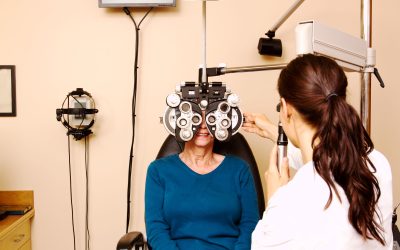
• A first eye exam typically includes vision testing, eye health screening, and a discussion of your medical history.
• Bring your insurance card, a list of current medications, and your current glasses or contacts to the visit.
• Comprehensive eye exams can detect vision problems and certain health conditions before symptoms appear.
Scheduling your first visit with an eye doctor in Kentucky is straightforward once you know what to expect and what to bring. A little preparation helps the appointment go faster and gives your provider the information needed to give you an accurate diagnosis.
Finding a qualified Eye Doctor Kentucky starts with understanding what a comprehensive exam actually involves. Most first-time patients are unsure whether they need a basic vision screening or a full medical eye exam, and the answer depends on your age, family history, and any symptoms you are already experiencing. Clinics such as VisionFirst and similar Kentucky-based practices typically structure the first visit around a standard set of diagnostic steps designed to establish a baseline for your eye health.
What Happens During a First Eye Exam
A first appointment is longer than routine follow-up visits because the doctor is building a complete record.
• Vision acuity testing using an eye chart to measure how clearly you see at various distances
• Refraction testing to determine your eyeglass or contact lens prescription
• Eye pressure measurement, often used to screen for glaucoma risk
• Pupil dilation, which allows the doctor to view the retina and optic nerve
• A review of your personal and family medical history, including diabetes, high blood pressure, or autoimmune conditions
Dilation typically causes temporary light sensitivity and blurred near vision, so plan to have someone drive you home or bring sunglasses for the ride.
Why Comprehensive Exams Matter Beyond Vision
Eye exams are not only about prescription strength. According to the National Eye Institute, a comprehensive dilated eye exam can detect diseases such as glaucoma, cataracts, and age-related macular degeneration in their early stages, often before any noticeable symptoms occur. This is particularly relevant for adults over 40 or anyone with a family history of eye disease, since early detection generally leads to more effective treatment options.
Regular exams also matter for people managing chronic conditions like diabetes, since blood sugar fluctuations can affect the blood vessels in the retina. A doctor examining the back of the eye may notice changes that point to a broader health issue, making the eye exam a useful checkpoint for overall wellness, not just vision correction.
How Often You Should Schedule an Exam
Recommended frequency depends largely on age and risk factors.
| Age Group | General Recommendation |
| Children (under 18) | Exam before starting school, then every 1-2 years |
| Adults (18-60) | Every 1-2 years, or as symptoms arise |
| Adults (61+) | Annually, due to higher risk of age-related conditions |
These are general guidelines. Your eye doctor may recommend a different schedule based on your personal risk factors or existing eye conditions.
Preparing Documents and Information
Walking in prepared saves time and helps the doctor make faster, more accurate assessments.
1. Bring your insurance card and a valid photo ID.
2. List all current medications and supplements, since some affect eye health or pupil response.
3. Bring your current glasses or contact lenses, along with the prescription box if available.
4. Write down any symptoms you have noticed, such as blurred vision, headaches, or eye strain.
5. Note your family history of eye disease, including glaucoma, macular degeneration, or diabetic retinopathy.
If you wear contact lenses, avoid inserting them the morning of a dilation-heavy exam, since some tests are easier to perform without them.
What to Expect After the Appointment
Once testing is complete, the doctor will review findings and discuss any next steps.
• You may receive a new eyeglass or contact lens prescription.
• If dilation was performed, expect light sensitivity for a few hours afterward.
• Follow-up visits may be scheduled sooner if the doctor identifies early signs of an eye condition.
• Referrals to specialists are sometimes given for more complex diagnoses.
Understanding these outcomes ahead of time helps reduce anxiety about the visit and makes it easier to ask informed questions while you are still in the exam room.
Frequently Asked Questions
Do I need a referral to see an eye doctor in Kentucky? Most optometry practices accept walk-in scheduling or direct appointments without a physician referral, though some vision insurance plans may have specific network requirements.
How long does a first eye exam usually take? A comprehensive first visit generally takes longer than a routine check-up because of dilation and the full health history review, so plan for extra time compared to follow-up visits.
Will my eyes stay blurry after dilation? Blurred near vision and light sensitivity from dilation are temporary and typically resolve within a few hours, though bringing sunglasses is recommended for comfort afterward.
What should I do if I do not have vision insurance? Many practices offer self-pay options for exams, and discussing cost upfront with the front desk before your appointment helps avoid surprises.
Scheduling a first exam does not need to be complicated once you know what documents to bring and what tests to expect. Practices like VisionFirst structure their initial visits to cover vision testing and broader eye health screening in a single appointment, giving new patients a clear baseline for future care.