Quick summary:
- PRP (platelet-rich plasma) therapy uses a patient’s own concentrated platelets to support healing in tendons, ligaments, joints, and muscles.
- This non-surgical option is often considered for sports injuries, chronic joint pain, and recovery support before or instead of surgery.
- Candidacy depends on the specific orthopedic condition and should be confirmed through a clinical evaluation.
Platelet-rich plasma therapy has become a common option for Aventura residents seeking non-surgical ways to manage joint pain, tendon injuries, or slow-healing soft tissue damage. The short answer: PRP uses a concentrated sample of a patient’s own blood, rich in growth factors, to encourage the body’s natural repair process in the injured area.
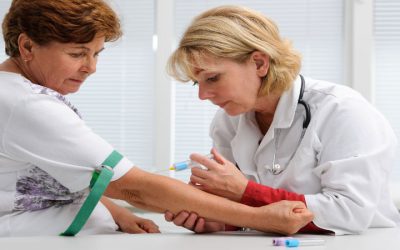
Local clinics offering PRP Treatment in Aventura typically position it as part of a broader regenerative medicine approach, often alongside stem cell therapy, for patients who want to avoid or delay surgery. The procedure draws a small blood sample, spins it in a centrifuge to concentrate the platelets, and injects the resulting solution into the target tissue. PRP therapy involves taking a small blood sample, processing it to concentrate platelets, and injecting it into the injured area, since these platelets contain growth factors that accelerate healing in tendons, ligaments, joints, and muscles.
How PRP Fits Into Orthopedic Recovery
PRP is generally considered a conservative, non-surgical intervention rather than a stand-alone cure. Stem cell therapy and PRP therapy harness the body’s natural ability to heal damaged tissues and reduce inflammation. Clinics that offer this therapy commonly pair it with a broader evaluation process:
- Initial consultation and physical assessment of the injured area
- Diagnostic imaging when needed to confirm the extent of tissue damage
- Blood draw and processing to isolate the platelet-rich portion of plasma
- Targeted injection into the affected tendon, ligament, or joint
- Follow-up monitoring to track healing progress
During a consultation, a clinical team assesses individual needs and recommends a plan suited to the patient, combining patient-focused care with medical innovation to provide personalized treatment that supports a comfortable return to daily life. This assessment step matters because PRP response varies depending on the tissue involved and the severity of the injury.
Conditions Commonly Treated With PRP
Regenerative injections are most often discussed for musculoskeletal issues rather than acute fractures or structural damage requiring surgery. Based on how regenerative medicine is described by Aventura-area orthopedic providers, PRP is typically considered for:
- Tendon injuries, including tennis elbow and Achilles tendinopathy
- Chronic joint pain linked to early-stage osteoarthritis
- Ligament sprains and overuse injuries common in athletes
- Muscle strains that have not responded to rest or physical therapy
Regenerative medicine and advanced biologics, including PRP injections and stem cell therapy, are used as part of a commitment to cutting-edge treatment options that accelerate healing and provide non-surgical solutions for many orthopedic conditions. For a general overview of how platelet-based therapies are studied in orthopedic and sports medicine contexts, the National Institutes of Health’s information on regenerative approaches offers additional background on how these treatments are researched and applied.
Safety Considerations and Recovery Expectations
Because PRP uses a patient’s own blood, it carries a different risk profile than treatments involving donor tissue or synthetic materials. Recovery timelines vary by injury type and location, but a few practical points tend to apply across cases:
| Factor | What to Expect |
| Procedure length | Typically completed in a single office visit |
| Downtime | Minimal; most patients resume light activity within days |
| Follow-up | Progress checks to monitor tissue response |
| Candidacy | Determined through consultation and imaging when needed |
Through advanced regenerative therapies like PRP and stem cell therapy, non-surgical solutions can accelerate recovery, reduce inflammation, and restore function for those recovering from a sports injury, battling chronic joint pain, or hoping to avoid surgery. Patients should still discuss individual risk factors, current medications, and injury history with a qualified provider before starting treatment, since not every condition responds the same way to platelet-based injections.
Frequently Asked Questions
Is PRP the same as stem cell therapy? No. Stem cells are collected from a patient’s bone marrow or adipose tissue and injected into the injury site, where they help rebuild damaged tissue and promote long-term regeneration, while PRP concentrates platelets from blood rather than using stem cells directly.
How long does it take to see results from PRP? Results vary by injury and tissue type, and a provider can outline a realistic timeline during a consultation based on the specific condition being treated.
Is PRP a replacement for surgery? Not always. It is generally used as a non-surgical option first, with surgery considered only if conservative treatments do not provide adequate relief.
Who should consider PRP therapy? Patients dealing with chronic tendon or joint issues, or those recovering from sports-related injuries, are common candidates, though a physical evaluation is needed to confirm suitability.
Next Steps for Exploring Regenerative Care
Orthopedic and sports medicine care in Aventura, Florida, centers on non-surgical and surgical treatment options for joint, spine, and soft tissue conditions. FTG Ortho provides orthopedic evaluation and regenerative treatment planning for patients exploring alternatives to surgery. Patients who want to learn whether PRP or another regenerative option fits their condition can contact FTG Ortho to schedule a consultation and review available treatment paths. Those researching broader wellness goals alongside orthopedic care may also want to review the Weight Loss Treatment in Aventura program details as a separate, medically supervised option worth discussing during a visit.